
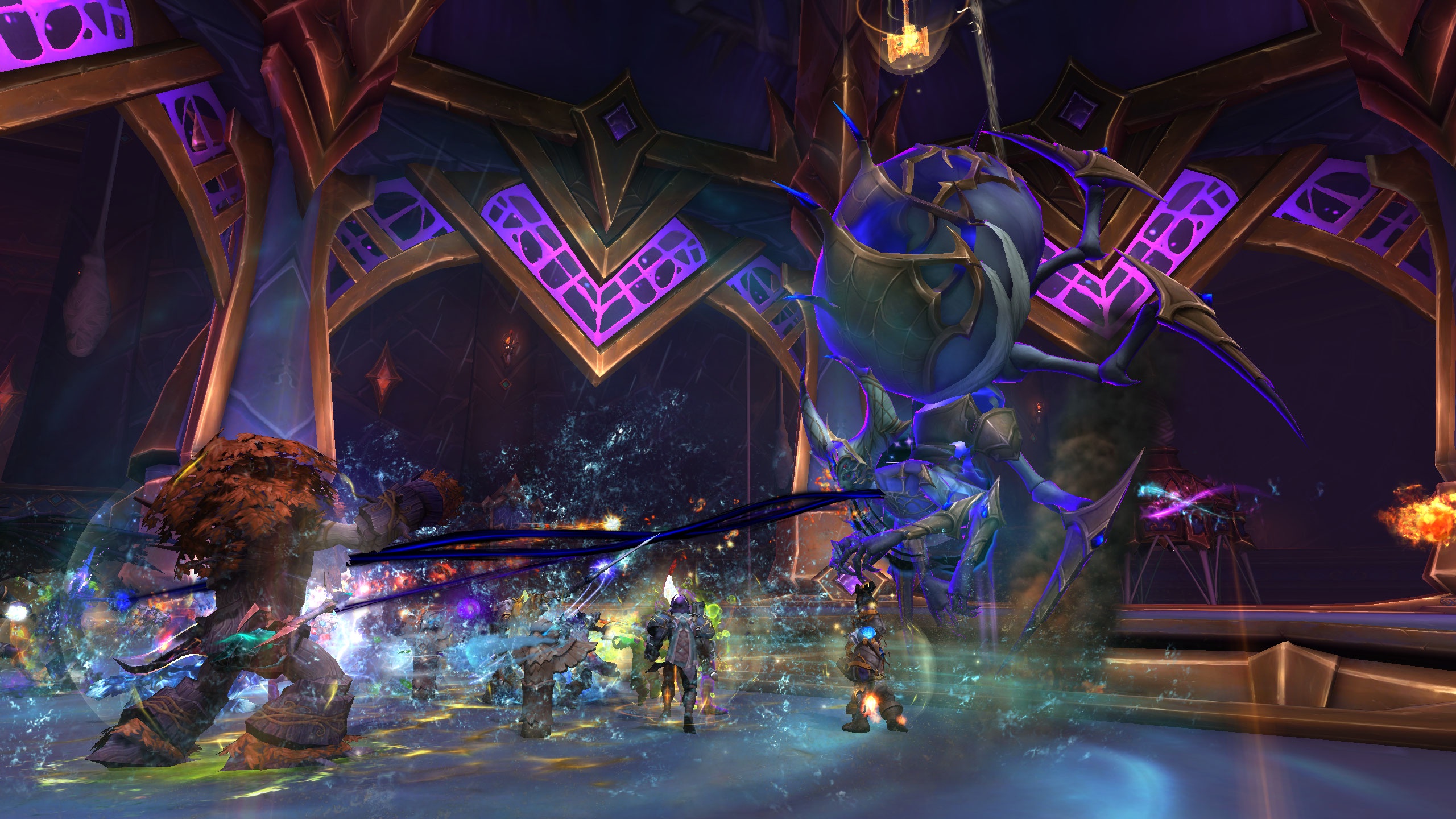
To succeed in World of Warcraft raids, you’ll need to grasp the fundamentals of key roles: tanks to manage enemy focus, healers to sustain team health, and DPS to deal damage. It’s essential to balance these roles with effective communication, using tools like voice chat to coordinate and predefined roles to enhance team dynamics. Prepare by equipping high-quality, enchanted gear and stocking up on essential consumables. Study boss mechanics beforehand to anticipate their moves during the raid. Utilizing addons such as Deadly Boss Mods (DBM) can alert you to hazards, helping optimize your response in real-time. By focusing on these strategies, you’ll set the foundation for mastering raids and uncovering advanced tactics that lift your gameplay to the next level.
Key Takeaways
- Master class roles and ensure a balanced team composition of tanks, healers, and DPS for effective raid performance.
- Equip and enhance gear appropriately, using enchantments, gems, and reforging to optimize class-specific stats and abilities.
- Study and understand boss mechanics, adapting strategies for different phases and damage thresholds to effectively counter boss abilities.
- Utilize communication tools and strategies, including voice chat and raid callouts, to coordinate and adapt team actions in real-time.
- Implement feedback and performance reviews using addons and tools like DBM and Exorsus Raid Tools to continuously improve team synergy and individual skills.
Understanding Raid Basics
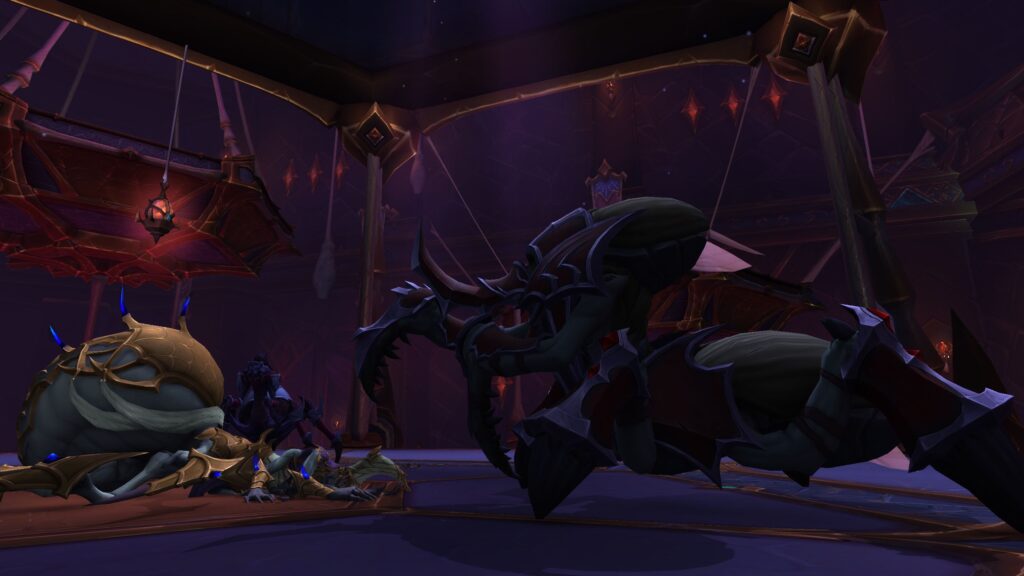
Before you plunge into the heart of a World of Warcraft raid, it’s important to grasp the fundamentals. Understanding raid terminology and group dynamics is essential to your success. So, let’s break down these basics to get you raid-ready.
Firstly, you’ll encounter specific terms that describe roles within the raid. The most common are “tanks,” “healers,” and “DPS” (damage per second). Tanks manage the enemy’s attention, keeping them away from the more vulnerable team members. Healers are responsible for keeping everyone alive, while DPS players focus on inflicting damage to defeat enemies swiftly.
Group dynamics refer to how these roles interact and support each other during a raid. Effective communication is key. You’ll often use voice chat or in-game commands to coordinate strategies, call out threats, or request immediate help. Understanding each member’s role and how they contribute to the team’s objectives is fundamental.
For example, knowing when to let the tank lead or when DPS should release their most potent attacks can be the difference between victory and defeat.
Additionally, being aware of “raid etiquette” enhances group dynamics. This includes listening to the raid leader, being punctual, and prepared with necessary gear and knowledge about the raid bosses. Respecting these unwritten rules helps maintain harmony and increases the group’s overall efficiency.
Essential Raid Preparation
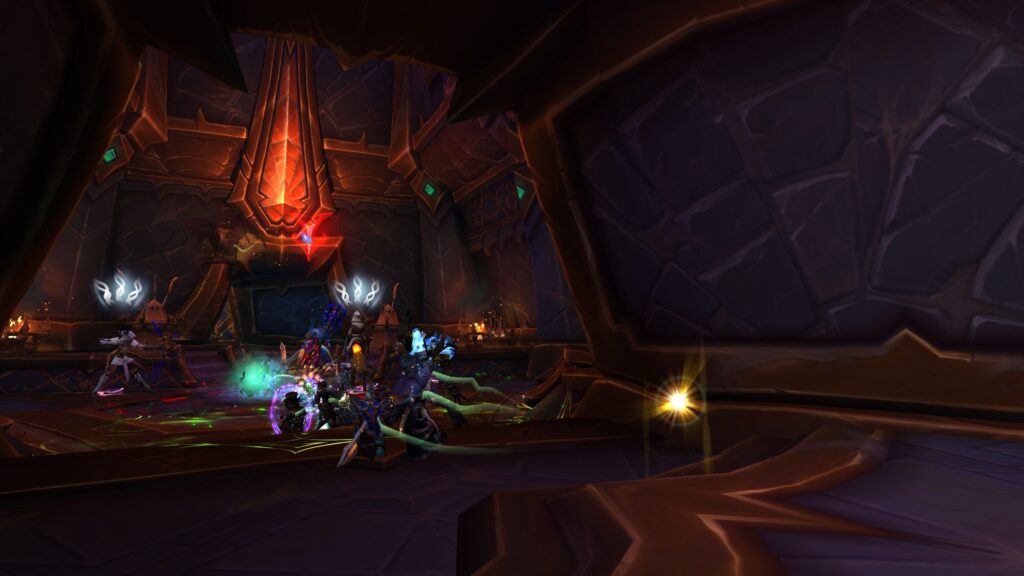
As you gear up for a raid in World of Warcraft, it’s vital to prepare meticulously to guarantee you’re not the weak link in your team. Achieving success in a raid isn’t just about individual skill; it’s also about how well you integrate and function within your raid group.
Preparing effectively can make the difference between a smooth, victorious run and a frustrating wipe.
Here’s a quick raid readiness checklist to confirm you’re fully prepared:
- Gear and Equipment Check: Make sure all your gear is of the highest quality you can afford and properly enchanted or gemmed.
- Consumables: Stock up on necessary potions, flasks, food, and any other consumables that will boost your performance.
- Tactical Knowledge: Study the raid bosses and their mechanics. Know the fight strategies beforehand to avoid common pitfalls.
- Team Synergy Exercises: Participate in smaller group content or practice runs to build coordination and communication skills with your team.
- Personal Preparation: Get enough rest before the raid, set aside sufficient time for the entire raid session, and confirm your playing environment is free from distractions.
Beyond the checklist, engaging in team synergy exercises can dramatically improve your group’s effectiveness.
These activities help clarify communication channels, refine group strategy, and build trust among members, which are vital for overcoming the complex challenges presented by WoW raids.
Mastering Class Roles
Mastering your class role is vital to excelling in any WoW raid. Whether you’re a damage dealer, tank, or healer, understanding how your duties interact with others’—known as class synergy—is key. Each class and spec has unique abilities that can considerably boost the group’s overall performance when used strategically.
Let’s consider role adaptability, which means being flexible and responsive to the dynamic environments of raids. As a tank, you might need to switch from mitigating damage to actively controlling multiple enemies.
Healers should balance between conserving mana and outputting high healing during intensive damage phases. DPS players, on the other hand, must maximize their output while managing position and movement to avoid mechanics that can disrupt their performance.
Developing a deep understanding of your class’s toolkit allows for better adaptability. You’ll know when to deploy a vital crowd-control ability or when to save a powerful cooldown for an upcoming challenge.
This understanding also helps you work better with other players, enhancing class synergy. For example, knowing when your fellow healer is likely to use a group healing ability can help you time your own spells for maximum effect.
Finally, always be prepared to learn and adapt. Each raid might require different tactics or a shift in responsibility, depending on the encounter’s demands or your group’s composition.
Staying updated with any class changes and continuously practicing your role will guarantee that you’re always raid-ready, contributing effectively to your team’s success.
Navigating Boss Mechanics
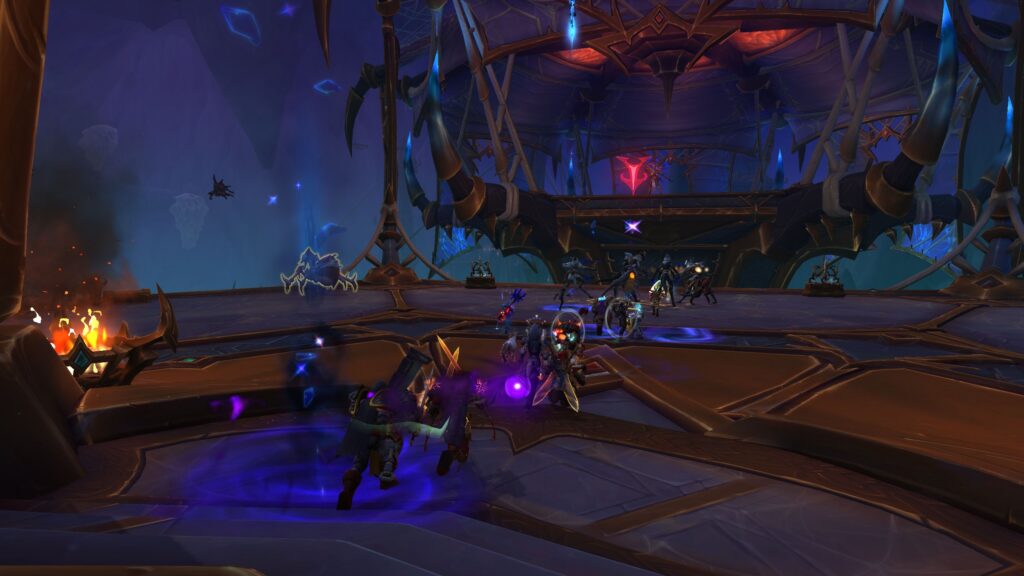
Understanding boss mechanics is imperative for any successful raid in WoW. You’ve got to know each phase of the fight, anticipate what’s coming next, and understand how your role specifically contributes to the team’s success.
Boss fights often consist of multiple mechanic phases, each with its own set of challenges. As you face these phases, you’ll need to adjust your strategy on the fly. Here’s what you need to focus on:
- Mechanic Phases: Each phase might introduce new abilities from the boss, requiring you to adapt quickly.
- Damage Thresholds: Keep track of the boss’s health because certain abilities are triggered when the boss reaches specific damage thresholds.
- Positioning Strategies: Where you stand can be as important as your DPS output. Avoid environmental hazards and position yourself to minimize damage.
- Ability Cooldowns: Coordinate with your team to stagger healing and defensive abilities, making sure they’re available when most needed.
- Crowd Control: Utilize crowd control tactics effectively to manage additional mobs or mitigate high-threat boss attacks.
Timing your actions with encounter timing guarantees that you’re always a step ahead, reducing the chaos of reacting without preparation.
Focus on damage mitigation to reduce the stress on your healers. Understanding the nuances of encounter timing can be the difference between a wipe and a win.
Team synergy is essential; you’ll need to rely on your teammates to handle their role specific duties effectively.
Whether you’re a tank, healer, or DPS, knowing not just your job but also how it fits into the larger battle plan is key to mastering boss mechanics.
Communication Strategies
Effective communication is essential during WoW raids, as it coordinates efforts and guarantees everyone remains on the same page. Mastering raid callouts and holding effective strategy meetings before and during the raid are key components that can make or break your success.
Firstly, let’s explore raid callouts. These are specific cues or commands shouted by a designated leader or members during the raid to signal specific actions or warn about impending threats. You’ll need to be quick to respond to these callouts, as they often relate to critical boss mechanics that can wipe the group if not handled properly. Familiarize yourself with common phrases and terms specific to each boss fight.
Strategy meetings are equally important. These are pre-raid sessions where you and your team discuss the approach for each segment of the raid. It’s a time to assign roles, clarify doubts, and set expectations. Make sure you’re vocal about any confusion you have—now’s the time to iron out any kinks.
During these meetings, discuss potential scenarios and how to handle them. If you’re a veteran, share your insights. If you’re new, don’t hesitate to ask questions. Remember, a well-informed team is a powerful one.
Finally, consistency in communication is critical. Use the same terminology with your team to avoid confusion, and make certain everyone’s communication setups—like microphones and headphones—are functioning properly.
Efficient communication isn’t just about talking; it’s about making sure everyone hears and understands each other clearly for a seamless and successful raid.
Gear and Equipment Guide
As you prepare for your next raid, understanding how to select the ideal gear is essential; each piece you wear enhances your character’s strength and resilience.
You’ll want to focus not only on gear stats but also on how you can effectively enhance your equipment through upgrades and enchantments.
This approach guarantees you’re not just equipped, but fully prepared to tackle the challenges ahead.
Optimal Gear Selection
Choosing the right gear is vital for mastering any World of Warcraft raid.
You’ll need to carefully select each piece based on your character’s class and role within the raid. But where do you start? Your gear score and item rarity are significant indicators of the quality and effectiveness of the equipment.
Here are key factors to take into account when selecting your gear:
- Gear Score: Higher scores generally mean better stats, but balance these with specific needs of your role.
- Item Rarity: Epic and legendary items often offer game-changing bonuses.
- Class and Spec Compatibility: Confirm the gear matches the strengths and requirements of your class and specialization.
- Stat Priorities: Different roles need different stats. DPS might prioritize critical strike, while tanks focus on durability.
- Set Bonuses: Collecting pieces from the same set can provide additional bonuses that enhance your performance.
Enhancing Equipment Effectively
Once you’ve selected your ideal gear, the next step is to enhance it to maximize your performance in raids. Gear enhancement techniques and equipment optimization methods are essential for boosting your attributes and refining your abilities. Here’s how you can do it effectively.
Firstly, focus on enchantments. Enchants can greatly increase your gear’s power. You’ll find different options tailored to your class and role—whether you’re a tank, healer, or DPS. Make sure you’re selecting enchantments that complement your playstyle and the requirements of the raid.
Next, consider gemming. Gems provide additional stat boosts. It’s important to match the gem’s color with your gear’s socket for bonus effects. Research which stats are most beneficial for your character, and prioritize those gems.
Lastly, don’t overlook the importance of reforging. This allows you to tweak and optimize less useful stats into ones that enhance your core abilities. It’s a fine balance, so use reforging to round out your gear’s performance, ensuring no stat is wasted.
Utilizing Add-ons and Tools
As you gear up for raids in World of Warcraft, integrating the right add-ons and tools can greatly enhance your performance.
Start by exploring essential raiding add-ons that streamline complex mechanics and improve communication.
Next, consider performance tracking tools to monitor and refine your gameplay, and don’t forget to follow a straightforward add-on installation guide to set everything up correctly.
Essential Raiding Add-ons
To excel in any WoW raid, you’ll need to equip yourself with essential raiding add-ons that enhance both your performance and situational awareness.
These tools fall into various add-on categories, each tailored to different aspects of gameplay. From health management to communication facilitation, there’s a tool designed to boost every part of your raiding experience.
Let’s explore some of the most popular add-ons you should consider.
- Deadly Boss Mods (DBM): Provides alerts and timers for raid bosses’ abilities, vital for dodging lethal attacks.
- GTFO: Sounds an alarm if you’re standing in something harmful, helping you react quickly to environmental threats.
- WeakAuras: Allows for custom indicators for nearly anything you can think of, from buffs to cooldowns.
- BigWigs: Another boss encounter add-on, similar to DBM but often preferred for its customization options.
- Exorsus Raid Tools: An all-in-one toolkit offering features like raid cooldown tracking and assignment planning.
These add-ons are indispensable for mastering raids.
Performance Tracking Tools
While mastering raids with the help of essential add-ons is important, you’ll also need to track your performance meticulously to see where you can improve. Performance metrics offer a clear, quantitative look at how well you’re executing your role within the raid. Utilizing the right tracking software is fundamental for this exploration into your gameplay.
Here’s a quick guide on some of the top tools for performance tracking in WoW raids:
| Tool | Features |
|---|---|
| Recount | Provides detailed DPS and healing stats. |
| Skada | Tracks DPS, healing, and damage taken. |
| WarcraftLogs | Offers thorough analysis of raid attempts. |
| Details! | Extensive data on all aspects of play. |
These tools not only help you monitor your performance but also provide insights that can lead to significant improvements. For instance, by reviewing your DPS output with Recount or Skada, you’ll identify if you’re underperforming due to gear or tactical errors. WarcraftLogs and Details! go a step further by allowing you to analyze specific encounters, showing where your strategy might falter.
Add-on Installation Guide
Now that you’re familiar with the top tools for tracking your performance in WoW raids, let’s explore how you can install these essential add-ons. The process is straightforward, but you’ll need to verify each add-on’s compatibility and integration with your game version for peak performance.
To start, you’ll want to download a trusted add-on manager. This tool simplifies the installation and can help manage updates. Here’s a quick guide to get you set up:
- Choose an Add-on Manager: Popular choices include CurseForge or WoWUp.
- Install the Manager: Download and run the installation file from the official site.
- Search for Add-ons: Use the manager’s search feature to find the add-ons you need for user interface customization and performance tracking.
- Install Add-ons: Click ‘install’ next to each add-on in the manager. It handles the download and installation.
- **Perform Add-on *Compatibility Checks***: Verify all installed add-ons are compatible with your current version of WoW to avoid conflicts or errors.
Once installed, you can customize the user interface directly in the game’s menu, tailoring it to your specific needs and preferences. This customization can greatly enhance your raiding efficiency and enjoyment.
Learning From Common Mistakes
If you’ve ever tackled a raid in World of Warcraft, you know that even small mistakes can lead to a team wipe. Common pitfalls such as poor communication and misunderstanding raid mechanics aren’t just frustrations; they’re learning opportunities. It’s essential to turn each misstep into a step forward by dissecting what went wrong and strategizing how to avoid it next time.
Firstly, understanding and adhering to raid etiquette is important. You’re part of a team, and every action you take affects the group. If you’re repeatedly dying to the same boss mechanic, it might be time to ask for advice or revisit your strategy. This isn’t just about improving your own gameplay but also about respecting the time and effort of your fellow raiders.
Effective feedback plays a significant role in this learning process. It’s not just about pointing fingers but offering constructive criticism that can help everyone improve. For example, if someone misses their cue on a boss ability, discuss as a group how to better signal or prepare for that moment.
Remember, the tone of your feedback can greatly influence how it’s received. Aim to be supportive and encouraging, not accusatory.
Moreover, don’t shy away from using tools like replay addons to review your performance. These can offer invaluable insights that you might miss in the heat of battle.
Advanced Tactics and Strategies
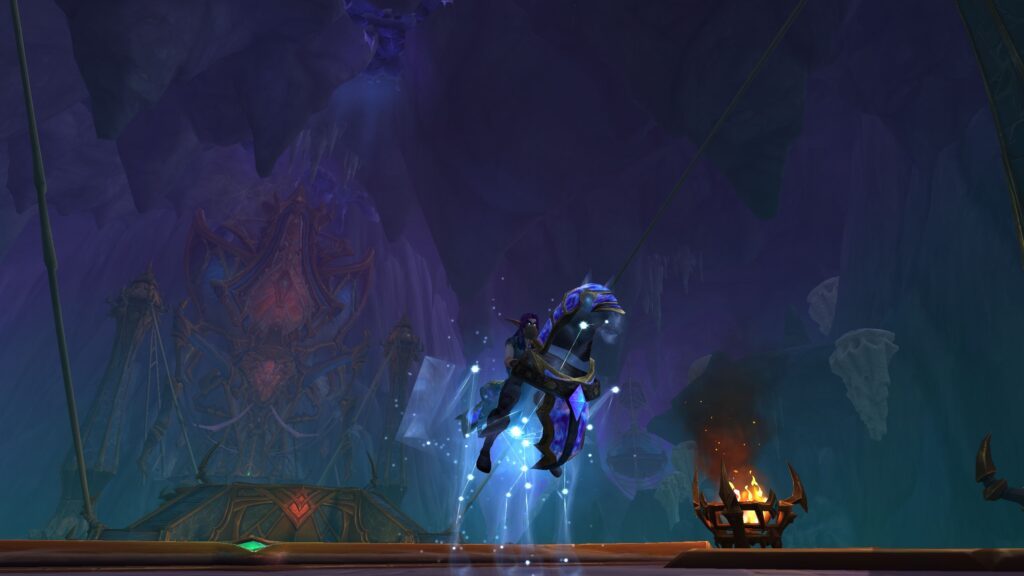
As you step into more challenging raids, understanding ideal class composition becomes essential; each class offers unique benefits that can mean the difference between defeat and victory.
You’ll also need to master boss mechanics, as each boss has specific patterns and attacks that require precise teamwork and strategy to overcome.
Optimal Class Composition
Mastering the ideal class composition in a WoW raid requires understanding the unique strengths and synergies between classes.
You’ll want to balance the team by selecting classes that complement each other while ensuring role flexibility. This strategy allows you to adapt to unexpected challenges and exploit the strengths of various classes effectively.
Consider these critical factors in your class composition:
- Tank Diversity: Include tanks with different capabilities, like damage absorption and crowd control, to handle various threats.
- Healer Versatility: Choose healers that offer both strong single-target and group healing abilities.
- DPS Balance: Mix ranged and melee DPS classes to maximize area coverage and focus damage where it’s needed most.
- Utility Classes: Incorporate classes with crowd control, buffs, or debuffs to enhance overall team performance.
- Class Synergy: Select classes that enhance each other’s strengths. For instance, having a Paladin for buffs can greatly boost the effectiveness of warrior tanks.
Boss Mechanic Mastery
Understanding boss mechanics deeply can greatly enhance your raid’s success rate. Mastering each encounter involves a keen understanding of boss abilities, precise positioning tactics, and effective management of phase changes. Let’s break down some key aspects to contemplate.
Firstly, you’ve got to grasp each boss’s unique abilities. This means knowing when and where they’ll execute their most damaging moves and preparing accordingly. Positioning is essential; being in the right place can mean the difference between a clean kill and a wipe.
Phase changes are often where raids fail. You’ll need to adjust your strategy on the fly, responding to the boss’s new set of abilities. Crowd control and debuff management become vital here, guaranteeing that threats are minimized and damage is controlled.
Effective cooldown usage guarantees that your healing and damage output are maximized when most needed. Also, proper threat generation keeps the boss focused on your tanks, preventing squishier members from becoming targets.
Here’s a quick reference table to keep these concepts top of mind:
| Aspect | Key Focus | Tactical Response |
|---|---|---|
| Damage Mechanics | Boss Abilities | Positioning & Cooldowns |
| Control | Crowd Control & Debuffs | Phase Adaptation |
| Survival | Threat Generation | Healing Assignments & Prep |
Building an Effective Team
Building an effective team is vital when tackling the complex raids in World of Warcraft. You’ve got to focus on team synergy and proper role distribution to guarantee each raid attempt runs smoothly. Understanding how these elements work together can make or break your raiding success.
Firstly, team synergy isn’t just about having skilled players; it’s about how well those players can work together. You need a group that communicates effectively, where everyone understands their roles and the roles of their teammates. This mutual understanding helps in executing strategies flawlessly and adapting to unexpected changes during the raid.
Role distribution is important as well. You’ll need a balanced mix of damage dealers, healers, and tanks. Make sure that each player is comfortable and proficient in their role. This doesn’t just mean filling a spot; it means assigning roles based on both skill and the specific demands of the raid.
Here are some key points to take into account when building your raid team:
- Select players who communicate well and are willing to follow the raid leader’s instructions.
- Balance your team composition with the right number of tanks, healers, and DPS.
- **Take into account *player availability*** for regular raid schedules.
- **Regularly *review performance*** to identify areas for improvement.
- **Foster a *positive team environment*** where players feel encouraged and supported.
Frequently Asked Questions
How Does Server Latency Impact Raid Performance?
Server latency or ping issues can ruin your raid performance by delaying damage calculations. You’ll struggle to execute timely actions, affecting your overall effectiveness and possibly leading to your team’s failure in critical moments.
What Are Effective Ways to Manage Raid-Related Stress?
Nearly 50% of gamers experience stress during intense sessions. You can manage this by practicing breathing techniques and improving your time management to guarantee breaks and relaxation are part of your gaming routine.
How to Balance Raiding With Real-Life Responsibilities?
To balance raiding with real-life responsibilities, you’ll need effective time management and prioritization strategies. Set clear limits for gaming, schedule specific times for raids, and guarantee you’re fulfilling personal and professional obligations first.
What Are the Legal Implications of Raid Streaming?
Steering through the legal maze of raid streaming, you’ll face copyright issues and need streaming permissions. It’s essential to secure rights and tread carefully to avoid stepping on any legal landmines that could disrupt your gameplay.
How Does Raiding Impact Long-Term Game Enjoyment?
Raiding boosts your long-term enjoyment by enhancing raid motivation and community engagement. You’ll find yourself deeply involved, constantly strategizing with others, which keeps the game fresh and exciting for you.
Conclusion
You’ve grasped the essentials, tackled the tools, and mastered the mechanics. Now, stepping into the raid, you’re not just a participant but a potential pioneer. Remember, perfect practice makes perfect. Keep communicating clearly, coordinating with your crew, and conquering challenges that come. Every encounter enhances your expertise, and each effort elevates your team. So gear up, get going, and let the glory of victory be your guide. Raid mastery isn’t just about skill; it’s about synergy.