
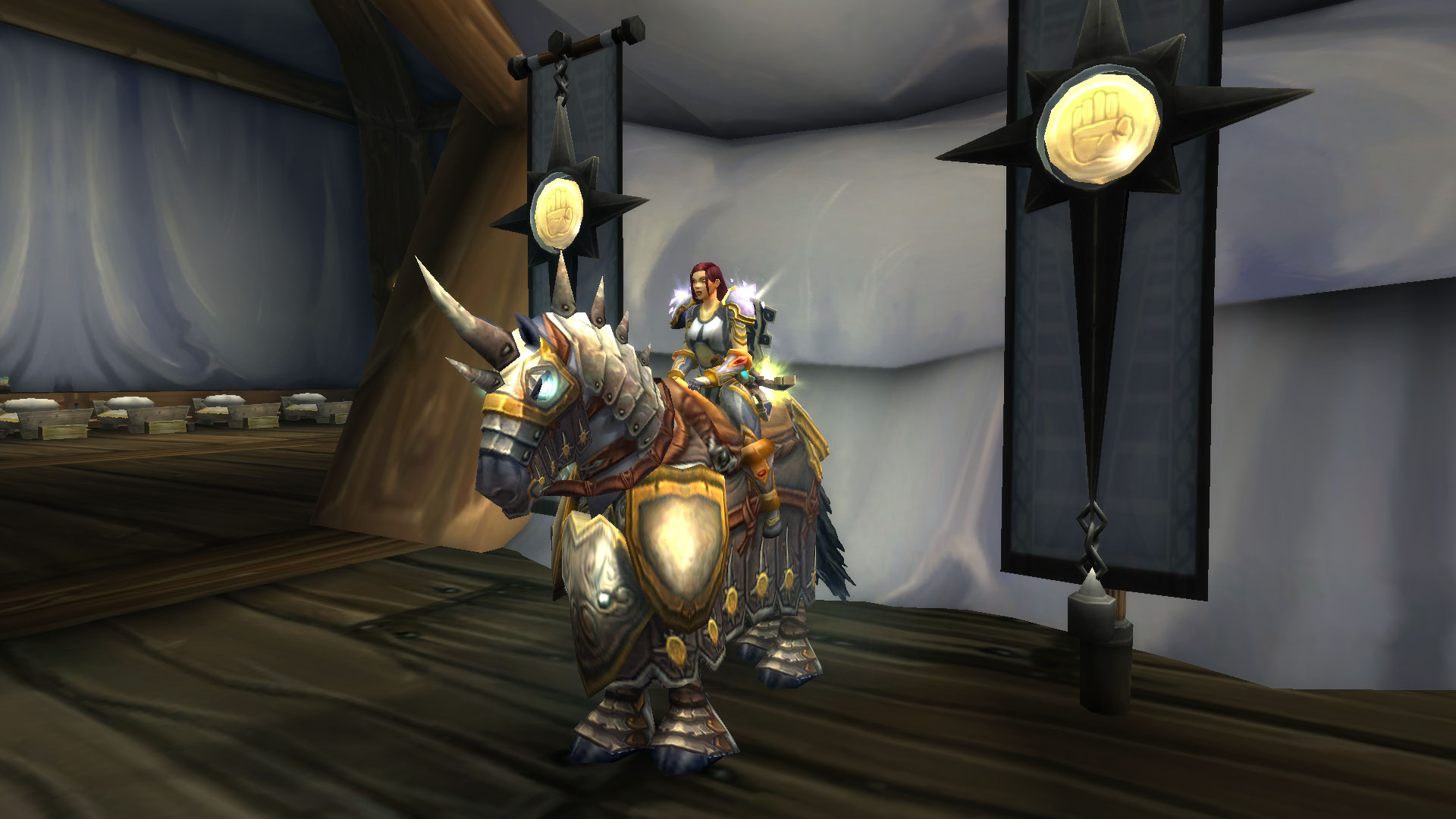
The Crusaders’ Coliseum in World of Warcraft: Wrath of the Lich King represents a significant evolution in raiding design, transforming traditional encounters into an arena-style boss-rush format. This shift not only challenged players’ strategies but also redefined the social dynamics of group play. In this guide, we will explore the mechanics, strategies, and implications of this innovative raid design, providing insights into its impact on the game’s community and raiding culture.
What Makes the Crusaders’ Coliseum Different From Traditional Raids?
The Crusaders’ Coliseum introduced a unique arena-style format that emphasized rapid boss encounters and a competitive atmosphere, diverging from the traditional linear raid design.
Unlike previous raids that featured sprawling environments and sequential boss fights, the Coliseum presented players with a series of distinct encounters in a contained arena. This format required players to adapt quickly, as they faced multiple bosses in a single session, each with unique mechanics and strategies. The shift to an arena-style layout not only increased the pace of gameplay but also encouraged a more competitive spirit among players, as they sought to complete encounters in the shortest time possible. This design choice also fostered a sense of urgency, as players had to manage their resources and cooldowns more effectively than ever before.
- Embrace the rapid pace by developing quick strategies for each boss encounter.
- Utilize crowd control and coordination to manage multiple mechanics simultaneously.
- Focus on optimizing gear and consumables for sustained performance across encounters.
- Communicate effectively with your team to adapt strategies on the fly.
How Do the Mechanics of the Coliseum Boss Fights Work?
The mechanics of the Coliseum boss fights are designed to challenge players with unique abilities and require precise execution to succeed.
Each boss in the Coliseum features distinct mechanics that demand players to understand and adapt to their abilities. For instance, encounters like Icehowl require players to manage positioning to avoid devastating charges, while others, like the Twin Valkyrs, necessitate quick decision-making to handle their powerful debuffs. The mechanics often involve multiple phases, each introducing new challenges that require players to remain vigilant and adaptable. This complexity not only tests individual skill but also emphasizes the importance of teamwork and communication among raid members.
Understanding the mechanics is crucial for success; for example, knowing the optimal timing for cooldowns can be the difference between a wipe and a successful kill. Players must also consider their class abilities, as certain roles may have specific responsibilities during encounters. For instance, healers must prioritize targets based on damage taken, while DPS classes need to maximize their output while avoiding mechanics. This intricate dance of abilities and timing is what makes the Coliseum a memorable and challenging experience for raiders.
What Are the Best Strategies for Completing Coliseum Encounters?
Effective strategies for Coliseum encounters revolve around preparation, coordination, and adaptability to each boss’s unique mechanics.
Preparation is key to success in the Coliseum; players should ensure they have the right gear, consumables, and a clear understanding of each boss’s mechanics before entering. Coordination among team members is equally important, as players must communicate effectively to manage mechanics that affect multiple roles. For example, during the encounter with the Faction Champions, players must work together to focus down specific targets while managing crowd control and interrupts. This requires a well-thought-out strategy that accounts for each player’s strengths and weaknesses.
Adaptability is crucial during the fights, as players may need to adjust their strategies based on how the encounter unfolds. For instance, if a healer is overwhelmed, DPS may need to switch to defensive roles temporarily. Additionally, utilizing voice communication can significantly enhance coordination, allowing for real-time adjustments to strategies. By focusing on these key elements—preparation, coordination, and adaptability—players can navigate the challenges of the Coliseum and achieve success.
What Are the Key Bosses and Their Unique Mechanics in the Coliseum?
The key bosses in the Crusaders’ Coliseum each present unique mechanics that challenge players in different ways.
The following table outlines the main bosses encountered in the Coliseum, along with their notable mechanics and strategies for dealing with them. Understanding these elements is essential for optimizing raid performance and ensuring successful encounters.
| Boss Name | Unique Mechanics | Recommended Strategy | Key Roles |
|---|---|---|---|
| Icehowl | Charge, Stun | Maintain distance, avoid charge paths | DPS, Healers |
| Twin Valkyrs | Debuffs, Energy Drain | Focus on one Valkyr, manage energy | All roles |
| Faction Champions | Player Abilities, Crowd Control | Target priority, interrupts | All roles |
How Should Players Position Themselves During Coliseum Fights?
Player positioning during Coliseum fights is critical for avoiding mechanics and maximizing effectiveness.
In the confined space of the Coliseum, positioning can significantly impact the outcome of encounters. Players should be aware of their surroundings and position themselves to avoid dangerous abilities while still being within range of their targets. For example, during the Icehowl encounter, players need to spread out to minimize the impact of his charge ability, while still ensuring they can quickly regroup when necessary. This requires a keen awareness of both the boss’s mechanics and the positioning of fellow raid members.
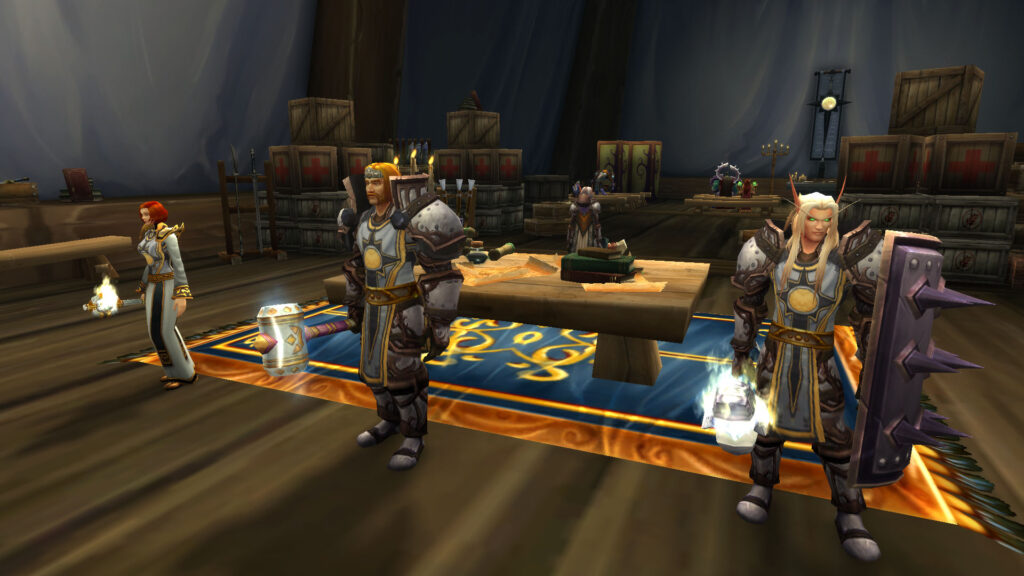
Additionally, players should consider their roles when determining their positions. Healers may need to stay close to the tank to provide support, while DPS should position themselves to maximize their damage output without putting themselves at risk. Utilizing the environment effectively can also provide advantages; for instance, players can use pillars or other obstacles to block line-of-sight abilities. By maintaining optimal positioning throughout the fights, players can enhance their survivability and contribute more effectively to their team’s success.
What Metrics Should Players Track for Coliseum Success?
Tracking key metrics during Coliseum encounters can help players optimize their performance and improve their chances of success.
Players should focus on several key metrics, including damage per second (DPS), healing output, and ability usage. Monitoring DPS allows players to assess their contribution to the fight and identify areas for improvement. Similarly, healers should track their healing output to ensure they are meeting the needs of the raid. Additionally, players should analyze their ability usage to ensure they are maximizing their effectiveness during encounters. This can involve reviewing logs after each raid to identify missed opportunities or suboptimal rotations.
Benchmarking against other players can also provide valuable insights. By comparing performance metrics with those of top players in the same encounter, individuals can identify specific areas for improvement. Furthermore, tracking cooldown usage and uptime on key abilities can help players refine their strategies and ensure they are using their resources efficiently. By focusing on these metrics, players can enhance their performance in the Coliseum and increase their chances of success.
What Expert Tips Can Enhance Performance in the Coliseum?
Expert tips for enhancing performance in the Coliseum include preparation, communication, and continuous learning from each encounter.
Preparation is crucial; players should familiarize themselves with each boss’s mechanics and develop strategies tailored to their team’s strengths. This includes understanding the optimal gear setups and consumables to bring into each encounter. Additionally, players should practice their rotations and cooldown usage to ensure they are performing at their best. Communication is equally important; teams should establish clear roles and responsibilities before entering the Coliseum to minimize confusion during fights.
Continuous learning is essential for improvement. Players should review their performance after each raid, analyzing logs to identify mistakes and areas for growth. Engaging with the community through forums or guides can also provide valuable insights into advanced strategies and techniques. By incorporating these expert tips into their approach, players can significantly enhance their performance in the Crusaders’ Coliseum and enjoy a more rewarding raiding experience.
Frequently Asked Questions
What is the main objective of the Crusaders’ Coliseum?
The main objective of the Crusaders’ Coliseum is to defeat a series of challenging bosses in a competitive arena-style format. Players must adapt to unique mechanics and work together to achieve victory in each encounter.
How does the Coliseum differ from other raid formats?
The Coliseum differs from traditional raid formats by offering a series of rapid boss encounters in a confined space, emphasizing quick decision-making and adaptability rather than a linear progression through a large environment.
What are some common strategies for success in the Coliseum?
Common strategies for success in the Coliseum include thorough preparation, effective communication among team members, and adaptability to each boss’s mechanics. Players should also focus on optimizing their gear and consumables for each encounter.
How can players improve their performance in Coliseum encounters?
Players can improve their performance by tracking key metrics, reviewing logs after raids, and continuously learning from each encounter. Engaging with the community for tips and strategies can also enhance their gameplay.