
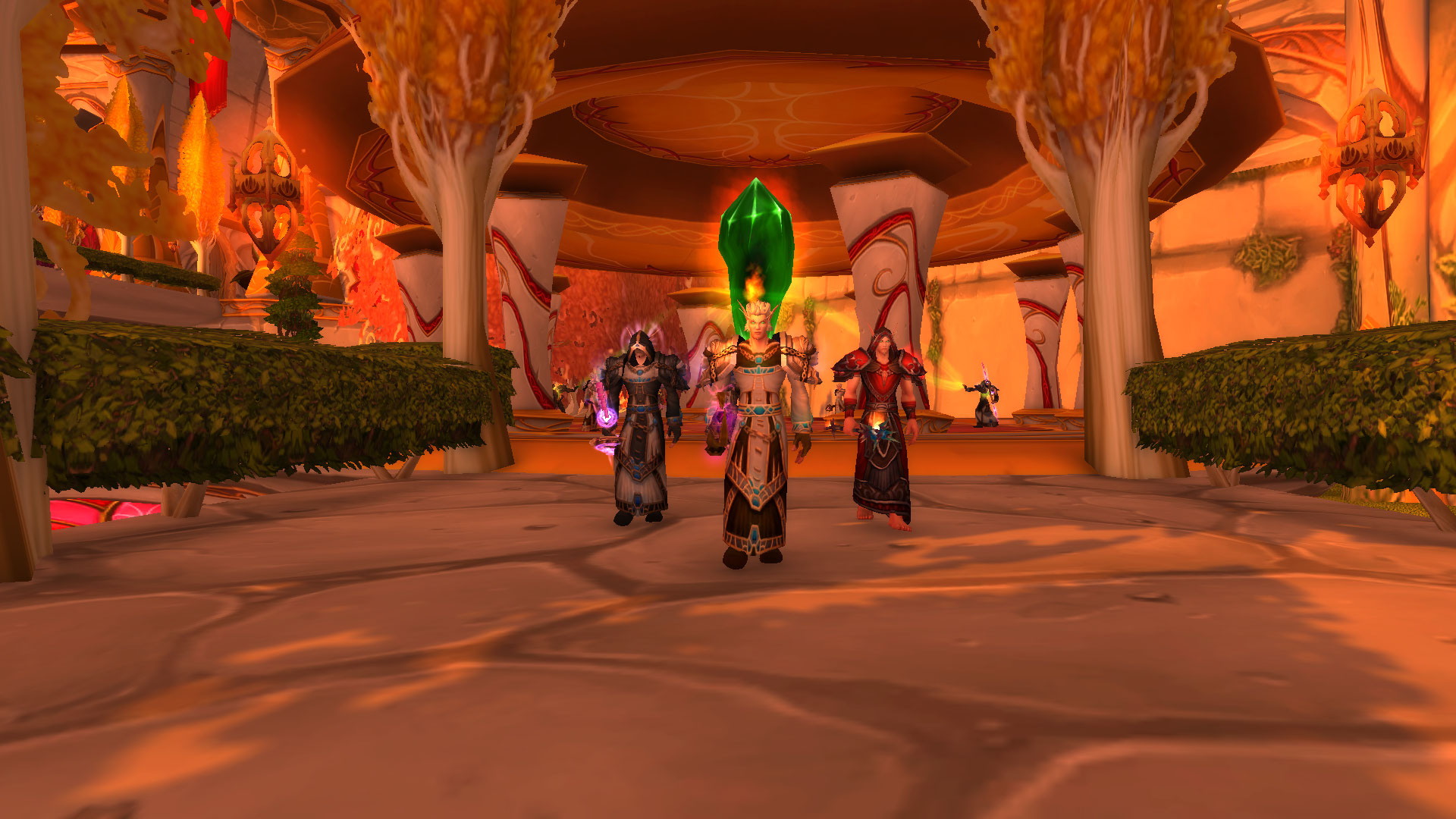
Kil’jaeden, known as the Deceiver, is one of the most formidable bosses in World of Warcraft, particularly during the Sunwell Plateau raid. His half-summoned form presents unique challenges that have left guilds trembling in fear. This guide delves into the mechanics, strategies, and the psychological impact of facing Kil’jaeden, providing a comprehensive understanding of why he remains a daunting adversary even years after his introduction.
What are the key mechanics of Kil’jaeden’s encounter in the Sunwell?
Kil’jaeden’s encounter features complex mechanics including Shadow Spikes, Flame Darts, and the devastating Darkness ability, requiring precise coordination and execution from raid members.
Understanding Kil’jaeden’s mechanics is crucial for any guild attempting to defeat him. The encounter is designed to test both individual skill and team synergy, with various phases that introduce new challenges. The following table summarizes the key mechanics and their implications for raid strategy, allowing players to prepare effectively for this high-stakes battle.
| Mechanic | Effect | Counter Strategy | Phase |
|---|---|---|---|
| Shadow Spike | Deals damage and stuns players | Spread out to minimize damage | All phases |
| Flame Dart | Targets a player, dealing heavy damage | Use cooldowns and healing | Phase 1 |
| Darkness | Reduces visibility and increases damage taken | Use light-based abilities and stay grouped | Phase 2 |
Why does Kil’jaeden’s half-summoned form create such fear among players?
Kil’jaeden’s half-summoned form is terrifying due to its unpredictable mechanics and the overwhelming pressure it places on raid coordination and execution.
The fear surrounding Kil’jaeden stems from his ability to manipulate the battlefield and the psychological impact of facing a legendary figure from lore. As a half-summoned entity, he embodies a sense of incompleteness and unpredictability, making players feel vulnerable. This form is designed to exploit weaknesses in player strategy, often leading to catastrophic failures if not addressed properly. The tension escalates as players are forced to adapt to rapidly changing conditions, which can lead to panic and mistakes.
Mechanically, Kil’jaeden’s abilities are designed to challenge players on multiple fronts. For instance, his Shadow Spike ability requires players to maintain spatial awareness, while Flame Dart targets individuals, forcing them to react quickly. The Darkness ability further complicates matters by obscuring vision and increasing damage taken, creating a chaotic environment. This combination of mechanics not only tests individual skill but also the cohesion of the raid group, as players must communicate effectively to avoid disaster.
In practice, players often find themselves overwhelmed by the sheer volume of mechanics they must manage simultaneously. The psychological pressure of facing a being of such immense power can lead to performance anxiety, causing even the most seasoned players to falter. Guilds often report that the fear of failure against Kil’jaeden can be as paralyzing as the mechanics themselves, making preparation and practice essential for success.
What are the essential steps to prepare for the Kil’jaeden encounter?
Preparing for Kil’jaeden requires a strategic approach that includes understanding mechanics, optimizing gear, and conducting thorough raid practice sessions.
Preparation for Kil’jaeden’s encounter is multifaceted, requiring both individual and group efforts. First, players must familiarize themselves with the mechanics outlined in the previous section, ensuring they understand how to respond to each ability. This knowledge forms the foundation of a successful strategy. Second, optimizing gear is crucial; players should focus on acquiring items that enhance their survivability and damage output, particularly those that provide bonuses against shadow damage.
- Study Kil’jaeden’s mechanics and create a cheat sheet for quick reference during the fight.
- Optimize your character’s gear, focusing on resilience and damage mitigation.
- Conduct practice runs with your raid group to build synergy and communication.
- Develop a clear strategy for each phase of the encounter, assigning roles and responsibilities.
In addition to these steps, guilds should consider the importance of mental preparation. Players should engage in discussions about the encounter to build confidence and reduce anxiety. This can include reviewing past attempts, analyzing what went wrong, and celebrating small victories to foster a positive atmosphere. The combination of mechanical understanding, gear optimization, and mental readiness will significantly enhance a guild’s chances of success against Kil’jaeden.
How can guilds effectively execute strategies during the Kil’jaeden fight?
Effective execution of strategies during the Kil’jaeden fight hinges on clear communication, role assignment, and adaptability to changing mechanics.
Execution during the Kil’jaeden fight is critical, as even minor missteps can lead to wipe scenarios. Clear communication is paramount; raid leaders should establish a system for calling out mechanics and coordinating responses. This can include using voice chat tools or in-game macros to relay information quickly. Additionally, assigning specific roles to players based on their class strengths can streamline execution. For example, designating players to handle Shadow Spikes or Flame Darts can prevent confusion and ensure that everyone knows their responsibilities.
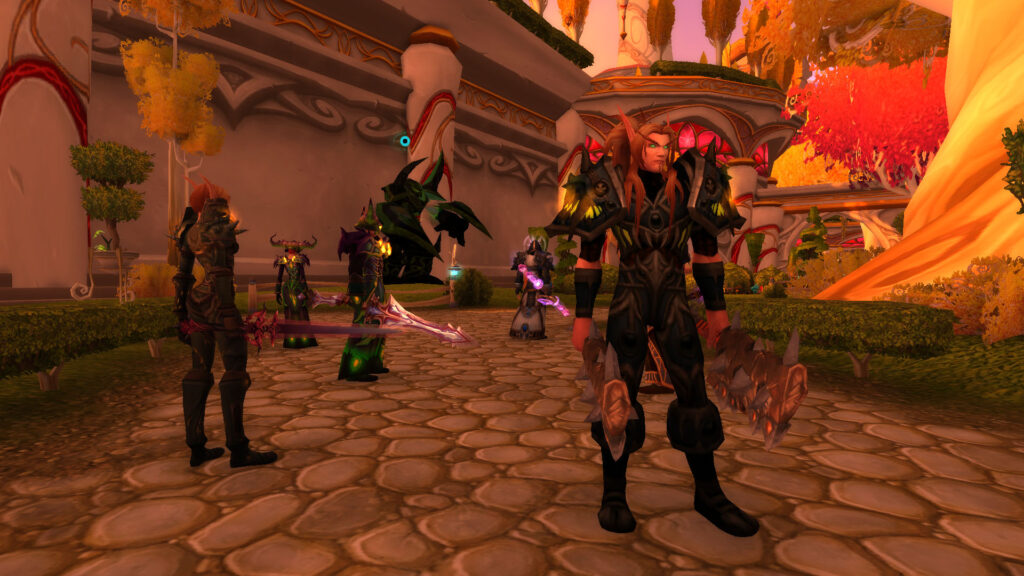
Adaptability is another key component of successful execution. Players must be prepared to adjust their strategies on the fly, especially as Kil’jaeden transitions between phases. For instance, if a player is targeted by Flame Dart, they should immediately communicate their status to the raid so that healers can react accordingly. This level of responsiveness can mean the difference between life and death in the encounter. Furthermore, practicing different scenarios during raid preparation can help players become more comfortable with unexpected changes.
Finally, after each attempt, it is essential for guilds to conduct a thorough debriefing. This allows players to discuss what worked, what didn’t, and how they can improve for the next attempt. By fostering an environment of continuous improvement and open communication, guilds can enhance their execution strategies and ultimately increase their chances of defeating Kil’jaeden.
What common mistakes should guilds avoid when facing Kil’jaeden?
Common mistakes include poor positioning, lack of communication, and failure to adapt to mechanics, all of which can lead to quick wipes against Kil’jaeden.
Understanding the common pitfalls that guilds face when attempting to defeat Kil’jaeden is crucial for success. One of the most significant mistakes is poor positioning during the encounter. Players often cluster too closely together, making them vulnerable to Shadow Spikes and other area-of-effect abilities. This not only increases the risk of multiple players being hit but can also lead to a rapid escalation of damage that is difficult to heal through. Proper spacing is essential to mitigate this risk and ensure that healers can effectively manage incoming damage.
Lack of communication is another frequent issue that can derail a raid’s progress. When players fail to call out mechanics or respond to threats, it creates confusion and can lead to catastrophic failures. For instance, if a player does not announce that they are targeted by Flame Dart, healers may not be prepared to react, resulting in unnecessary deaths. Establishing clear communication protocols and encouraging players to speak up can help prevent these issues. Additionally, using visual aids such as raid frames or markers can assist in keeping everyone informed.
Lastly, failure to adapt to the dynamic nature of the encounter can lead to quick wipes. Kil’jaeden’s mechanics are designed to challenge players’ ability to think on their feet. If players become too rigid in their strategies and fail to adjust based on the current phase or situation, they risk losing control of the encounter. Guilds should emphasize the importance of flexibility and encourage players to remain vigilant and responsive to the evolving battlefield.
What future trends can we expect in encounters similar to Kil’jaeden?
Future encounters may incorporate more dynamic mechanics and require even greater player coordination, reflecting the evolving complexity of raid design in MMORPGs.
As the gaming landscape continues to evolve, future raid encounters are likely to build on the complexity introduced by bosses like Kil’jaeden. Developers may incorporate more dynamic mechanics that require real-time decision-making and adaptability from players. This could include environmental changes that affect gameplay, such as shifting terrain or changing weather conditions that impact visibility and movement. Such mechanics would further challenge players to think critically and work together as a cohesive unit.
Additionally, we may see an increase in the use of technology to enhance player experience. For instance, augmented reality or advanced in-game analytics could provide players with real-time feedback on their performance, allowing them to adjust their strategies mid-fight. This could lead to a more immersive and engaging experience, as players would have access to data that helps them understand their strengths and weaknesses during encounters.
Finally, as players become more skilled and experienced, developers may raise the bar for encounter difficulty. This could manifest in more intricate mechanics that require precise timing and coordination, pushing guilds to refine their strategies continually. The evolution of raid design will likely focus on creating memorable and challenging experiences that resonate with players, ensuring that encounters remain engaging and rewarding for years to come.