

If you’re enthusiastic to shift from being a casual World of Warcraft player to a pro raider, understanding the dynamics of your chosen raid role—be it tank, healer, or DPS—is your first step. You’ll need to gear up appropriately, focusing on items that enhance your specific skills and stats. But it’s not just about having the right armor or weapon; mastering the intricacies of raid mechanics is essential. What’s more, you’ll find that your ability to communicate effectively with your raid team can make or break a raid encounter. So, how do you guarantee your communication is exceptional and your gameplay sharp? Let’s explore some strategies that could greatly boost your raid performance and help you climb the ranks in the challenging world of professional raiding.
Key Takeaways
- Prioritize mastering your class role—Tank, DPS, or Healer—for effective team integration and strategy execution.
- Enhance gear by focusing on key stats like Main stat, Critical Strike, and Haste for improved performance.
- Study raid mechanics and boss patterns through guides and walkthroughs to anticipate and react appropriately during raids.
- Practice clear, concise communication for efficient team coordination and to minimize confusion during complex encounters.
- Regularly review and analyze raid performances to identify areas for improvement and adjust strategies accordingly.
Understanding Raid Basics
Before you plunge into the world of raiding, it’s vital to grasp the basics. Raids are complex, cooperative missions where teamwork and understanding various roles are significant. You’ll encounter several raid types, each with unique challenges and mechanics. From large-scale assaults to precision-based encounters, knowing what you’re stepping into helps you prep effectively.
In a typical raid, team roles are divided into three main categories: tanks, healers, and damage dealers (DPS). Tanks are the front line; they manage the enemy’s attention and absorb the hits. It’s a high-responsibility role requiring keen awareness and quick decision-making to protect your team. You’ll need to be the shield, keeping the foes focused on you while your teammates handle their tasks.
Healers, on the other hand, guarantee everyone stays alive. It’s not just about spamming healing spells; you’ll need to prioritize which team members need immediate attention and manage your resources to keep up with the raid’s demands. The role demands a cool head and sharp reflexes to respond to sudden changes in the team’s health.
DPS players, tasked with dealing damage, are the majority in most groups. Whether you’re a ranged sharpshooter or a melee fighter, your goal is to maximize your damage output while dodging attacks that could wipe out your team. Coordination with other DPS and following the raid strategy is key to taking down bosses efficiently.
Understanding these roles and how they interact within different raid types will set the foundation for your raiding journey.
Choosing the Right Class
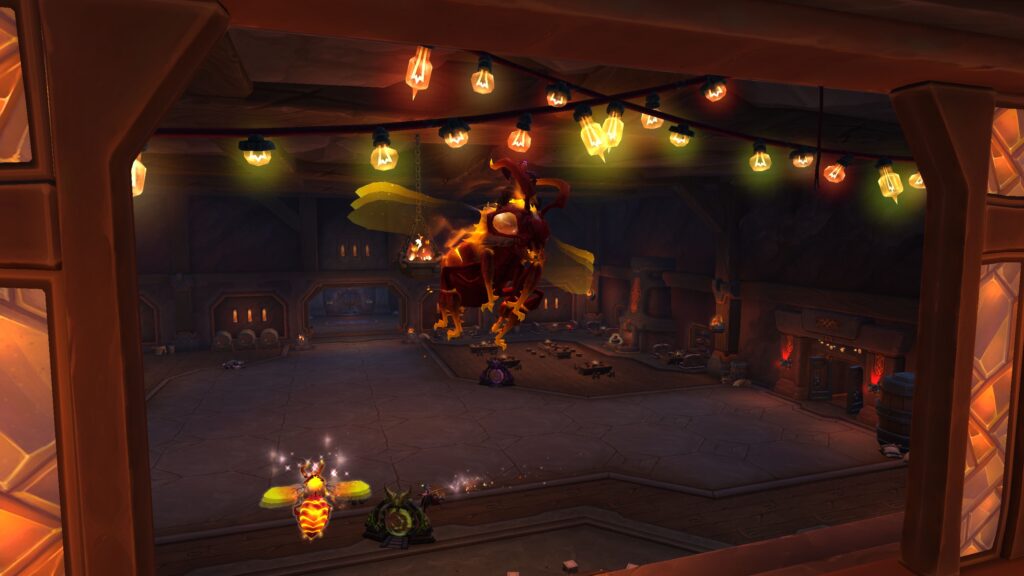
Once you understand the basic roles in a raid, it’s vital to pick a class that not only fits your preferred playstyle but also complements your team’s dynamics. Class roles vary widely, offering you a host of different experiences based on what you choose. If you’re the type who enjoys taking charge and being at the front lines, a tank might be your best bet. They’re important for controlling the pace of the battle and absorbing damage.
If, however, you prefer supporting your team through healing and buffs, a healer class would suit you. They guarantee everyone’s health is topped up, allowing the raid to continue smoothly. DPS (damage per second) classes, divided into melee and ranged, are perfect if you’re keen on monitoring damage output and optimizing your playstyle for maximum impact.
Your choice should align with how you enjoy playing games. Do you like strategizing and leading? Consider a tank. Are you more about team support? Go for a healer. Or if you love seeing big numbers on your screen, DPS might be the way to go.
Essential Raiding Gear
As you step into raiding, understanding how to prioritize your gear stats becomes essential; it’s not just about having high-level items, but selecting those that enhance your specific class strengths. You’ll need to know where to find reliable gear sources, whether through crafting, raid drops, or vendor purchases. Each source offers different advantages, so it’s important you know where to look for your next big upgrade.
Gear Stat Prioritization
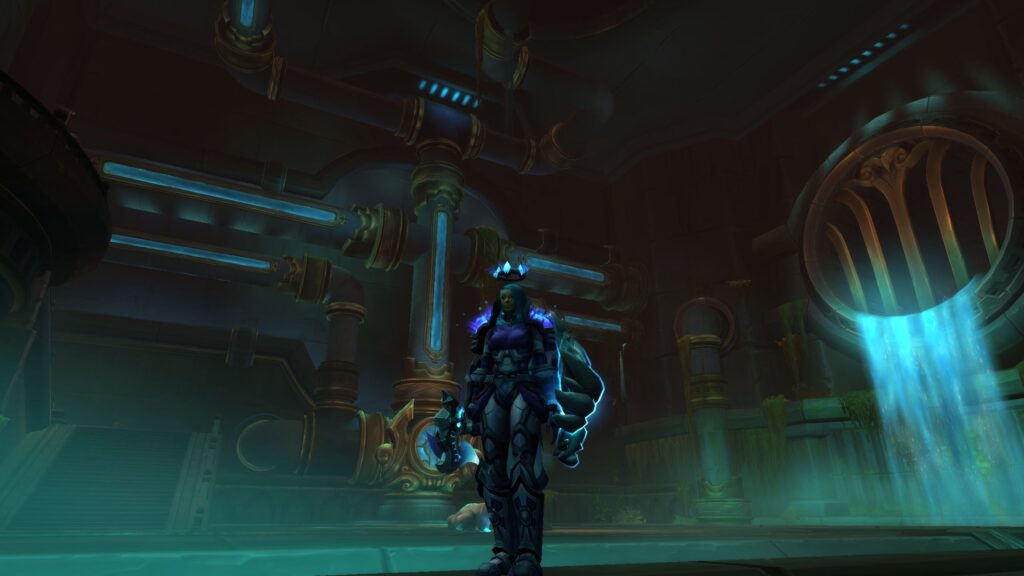
Understanding which stats to prioritize on your gear is vital for enhancing your performance in raids. As you explore deeper into the world of raiding, you’ll find that not all stats are created equal, and focusing on the right ones can greatly boost your effectiveness. Here’s a clear breakdown:
- Main Stat (Strength, Agility, Intellect): Always prioritize your character’s main stat, as it directly increases your damage or healing output.
- Critical Strike: This stat increases your chance to hit critically, which means more damage or healing in less time.
- Haste: Improving your haste can reduce cast times and cooldowns, enabling you to perform more actions faster.
Achieving gear synergy and stat balancing is essential. You want your gear to complement each other, enhancing your chosen stats effectively. For instance, if your class benefits immensely from Haste, accumulating gear that collectively boosts your Haste can be more beneficial than a piece of gear with a slightly higher item level but irrelevant stats.
Reliable Gear Sources
To secure the best equipment for your raids, you’ll need to know where to look. Gear acquisition starts with dungeons and raids, where higher difficulty levels often yield better gear. Don’t overlook world quests and special events, as they sometimes offer unique items essential for your raiding toolkit.
Crafting is another important source for obtaining gear. By leveling up your crafting skills, you can create powerful items tailored to your needs. Additionally, keep an eye on the auction house for potential gear upgrades; other players might sell what you desperately need.
It’s imperative to continually seek gear upgrades to enhance your performance. Participate in weekly mythic dungeons and raids to have a shot at the highest quality gear. Remember, each piece of gear can considerably impact your effectiveness in a raid.
Also, consider joining a guild. Being part of a collaborative group can give you access to planned raiding schedules and guild-only perks, which often include gear tailored for raid challenges.
Learning Raid Mechanics
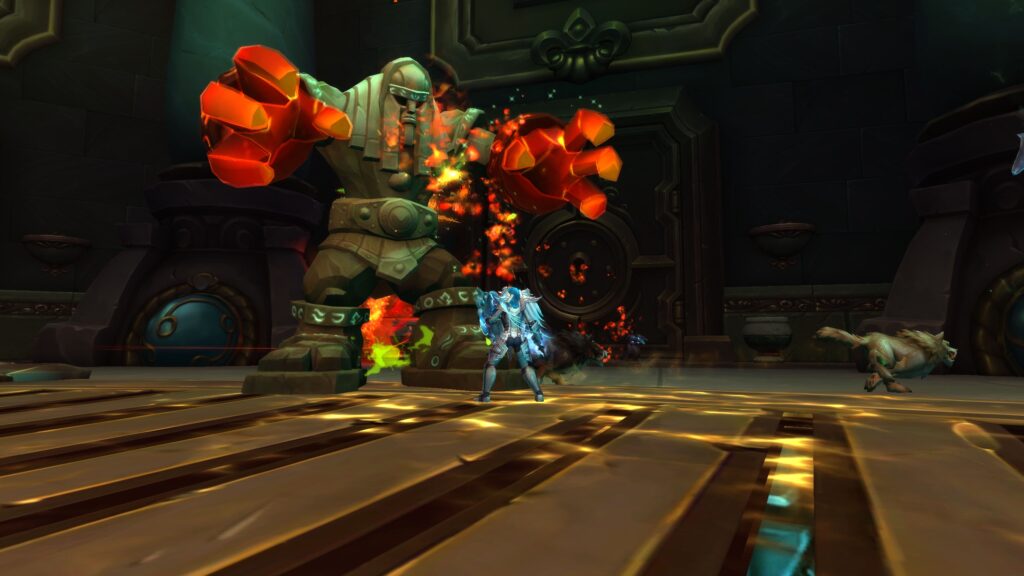
Before diving into your first raid, it’s vital to grasp the underlying mechanics that govern these complex battles. Mastering raid mechanics isn’t just about knowing what to do; it’s about understanding when and where to do it. Here’s what you need to focus on:
- Raid Positioning: You’ve got to know where to be at the right time. Each raid has its own layout and specific spots that can mean the difference between success and a wipe. Positioning affects everything from avoiding damage to maximizing your ability to deal it.
- Mechanic Timing: Timing is vital. Each boss has patterns, and recognizing these patterns allows you to anticipate and react correctly. Whether it’s dodging a deadly attack or executing a critical heal, the timing of your actions can turn the tide of battle.
- Boss Abilities: Learn each boss’s unique abilities. Knowing what each boss can do will help you prepare for the incoming attacks and strategize the best ways to counter them.
Raid mechanics are more than just memorizing steps; they’re about adapting to the dynamic environment of the raid. You’ll need to practice and perhaps even fail a few times to get the hang of it. But don’t worry, each attempt teaches you something new. Make sure you’re always watching, learning, and adjusting your strategies based on what happens during each fight. Observing others can also be a huge help, so don’t shy away from watching videos or joining practice groups. With persistence and attention to detail, you’ll move from novice to knowledgeable in no time.
Effective Communication Strategies
After mastering raid mechanics, honing your communication skills is the next step to guarantee success in any raid environment. Effective communication isn’t just about talking; it’s about making sure everyone is on the same page. You’ll need to master both clear instructions and active listening.
First, focus on delivering clear, concise instructions. In the heat of a raid, your teammates don’t have time to decipher convoluted messages. Use straightforward language and be specific. Instead of saying “Help here,” specify who and what you need, like “Need healer on the backline now!” This clarity reduces confusion and bolsters your team’s efficiency.
Equally important is active listening. This means really hearing what your teammates are saying and responding appropriately. It’s not just about waiting for your turn to speak. Pay attention to their calls and warnings, and adjust your actions accordingly. This responsiveness is vital, especially when dealing with unexpected changes in the raid’s dynamics.
Moreover, confirm that your messages are received and understood. After giving an instruction, a quick “Got it?” can make sure your team is with you. Similarly, if you’re on the receiving end, a brief “Understood” signals that you’re aligned with the plan.
Consistently apply these strategies to help transform your raid group from a gathering of individuals into a cohesive unit. Remember, in a raid, your strength lies not just in individual skill but in your collective ability to communicate and collaborate effectively.
Dealing With Raid Challenges
Even with excellent communication, you’ll face unique challenges in every raid that test both your individual skills and team coordination. You’ll need to master several key aspects to navigate these effectively.
First, understanding encounter strategies is essential. Each raid has its own set of bosses, each with unique mechanics that can range from simple movement requirements to complex sequences that require precise timing and execution. Here’s where your ability to adapt and react quickly to new situations becomes important.
Consider these top three tips to tackle raid challenges effectively:
- **Learn *Boss Mechanics* Thoroughly:**
Before you even step into the raid, make sure you’ve studied the boss mechanics. Videos, guides, and raid walkthroughs are invaluable resources. Knowing what to expect and when means you’re never caught off guard. - **Practice *Positioning* and Movement:**
Many encounters require precise positioning to avoid damaging effects or to maximize damage output. Work on your spatial awareness and responsiveness to dodge area effects and position yourself advantageously during fights. - Coordinate Cool-Downs and Abilities:
Coordinate with your team to optimize the use of group abilities and cooldowns. Effective management of these resources can mean the difference between a wipe and a win, especially during critical phases of the fight.
Lastly, remember that each raid is a learning experience. You might not get it right the first time, and that’s okay. What’s important is to keep communicating with your team, reviewing what went wrong, and refining your approach. Keep at it, and you’ll see yourself improving, raid after raid.
Continual Skills Improvement
Building on the foundation of tackling raid challenges, the next step is to focus on continual skills improvement to enhance your performance. As you progress from a casual to a pro raider, honing your skills becomes essential. You’ll need to set up effective practice routines, engage in consistent skill development, and constantly evaluate your progress.
To structure your advancement, consider the following table which outlines key areas of focus:
| Area | Daily Practice | Weekly Goals |
|---|---|---|
| Mechanics | 1 hour of position practice | Master new boss mechanics |
| Communication | 30 mins of team strategy discussion | Improve call-outs and coordination |
| Analysis | Review previous raid videos for mistakes | Set personal performance targets |
| Adaptability | Practice with different team roles | Learn to adjust roles mid-raid |
Start each day with dedicated practice routines targeting specific skills. This could involve solo sessions where you work on mastering mechanics or group discussions to enhance communication. Weekly, set achievable goals that push you to improve areas identified as weak during your reviews.
Incorporate analysis into your routine. Watching replays of your raids can reveal mistakes and highlight opportunities for improvement. Learning from what went wrong and adjusting accordingly is a powerful way to enhance your raiding prowess.
Lastly, being adaptable is key in raids. Practice different roles to understand their nuances. This not only makes you a versatile player but also prepares you for unexpected changes during actual raids. Stick to this structured approach, and you’ll see significant improvements in your raiding skills.
Conclusion
As you journey from a casual to a pro raider in World of Warcraft, remember that 60% of top-tier players dedicate at least 20 hours weekly to mastering their roles. Focus on perfecting your class performance, coordinating effectively with your team, and continually adapting your strategy. Embrace each raid as a learning opportunity and stay committed to your improvement. By doing so, you’ll not only enhance your skills but also greatly contribute to your raid team’s success.