

As a raid tank in World of Warcraft, your key roles involve leading your team by managing aggro through high-threat abilities, maintaining strategic boss positioning, and using defensive cooldowns wisely to mitigate damage spikes. Guarantee clear communication with healers for timely health management, and prioritize stamina for enhanced survivability. Absorb damage to protect teammates, control the battlefield effectively, and manage add spawns. Master these techniques to secure victory, handling even the most challenging encounters. Discover the strategies for ultimate success.
Key Takeaways
- Absorb damage and maintain aggro to protect teammates and stabilize group health.
- Use defensive cooldowns proactively to mitigate damage spikes and enhance survivability.
- Communicate with healers for effective cooldown coordination and health management.
- Position the boss strategically to avoid environmental hazards and frontal attacks.
- Quickly taunt and control adds to prevent healers from being targeted.
Role and Responsibilities of a Tank

As a tank in World of Warcraft, your primary role is to absorb damage and safeguard your teammates from harm, ensuring that the group’s overall health remains stable during battles. You must master battlefield control by positioning yourself strategically, mitigating damage and allowing the group to engage effectively with enemies. Tanks often take the lead, setting the pace and path through dungeons and raids, which requires solid team coordination and adaptability to adjust strategies based on boss mechanics and raid composition. Leadership is key, as you’ll be pulling mobs and setting markers, guiding allies through encounters.
Utilize defensive strategies, like employing cooldowns to reduce damage during intense phases and positioning bosses to avoid environmental hazards. Effective shield usage and health management are vital, ensuring you can withstand prolonged fights. Implement emergency protocols when needed, especially if healers are overwhelmed, to maintain team stability and success. Open lines of communication in raid chat ensure everyone is on the same page, allowing for effective healing prioritization and damage anticipation.
Managing Aggro and Threat
Mastering aggro and threat management is essential for any tank in World of Warcraft, as it guarantees that enemies focus on you instead of your more vulnerable teammates. Begin encounters by using high-threat abilities to establish initial aggro, confirming DPS doesn’t accidentally overtake you. If necessary, use taunt to secure aggro immediately, especially when your initial threat is lacking. Coordinate with your DPS team to delay debuffs until your threat is stable, unless fight mechanics dictate otherwise.
Keep an eye on threat levels throughout the fight; prioritize abilities that generate the most threat and use tab targeting to manage multiple enemies efficiently. In fights requiring multiple tanks, switch aggro at predetermined intervals to manage debuffs. A great tank knows how to maintain threat on assigned targets, ensuring that the encounter runs smoothly. If you lose aggro, regain it swiftly with high-threat abilities and proactive taunt use, coordinating with co-tanks to confirm smooth shifts. Remember, threat doesn’t decay, so manage it wisely to maintain control.
Essential Survival Strategies
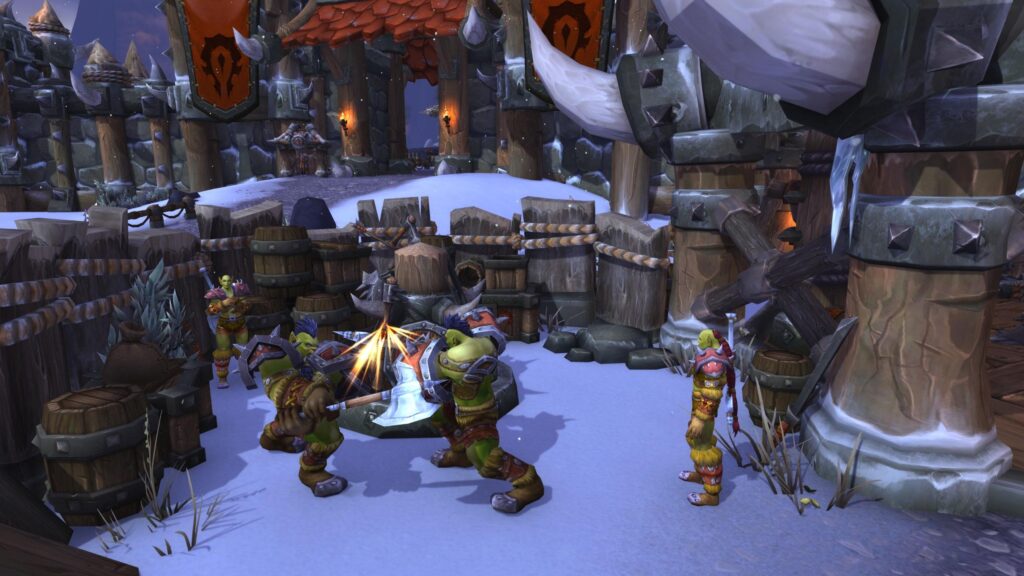
In mastering essential survival strategies as a tank, focus on using defensive cooldowns wisely to mitigate damage spikes, ensuring you maintain ideal health levels throughout the encounter. Coordinate closely with your healers, aligning your cooldowns and their healing abilities to maximize your survival during intense phases. By understanding when to activate cooldowns and manage health effectively, you ease the pressure on your healers and contribute greatly to the raid’s success. Remember, proper aggro management is critical to keep the boss focused on you, preventing chaos and ensuring raid stability.
Defensive Cooldown Usage
When it comes to defensive cooldown usage in WoW raid tanking, preparation is essential to guarantee your survival during intense encounters. Begin by learning the mechanics of each fight, as this knowledge helps you plan your defensive cooldowns effectively. Use physical and magical damage reduction abilities strategically, depending on the type of incoming damage. Active mitigation usage is nuanced and not included in ability priority, so mastering it is crucial for reducing incoming damage. Coordinate with healers to maximize survivability, and use add-ons like Method Raid Tools for ideal tracking and coordination. Always apply cooldowns proactively, anticipating damage spikes rather than reacting to them. Reserve some cooldowns for emergency situations, but avoid stacking multiple cooldowns unless absolutely necessary. Effective communication with your team, especially your healers, is vital for managing cooldowns and adapting to changing fight dynamics.
Health Level Management
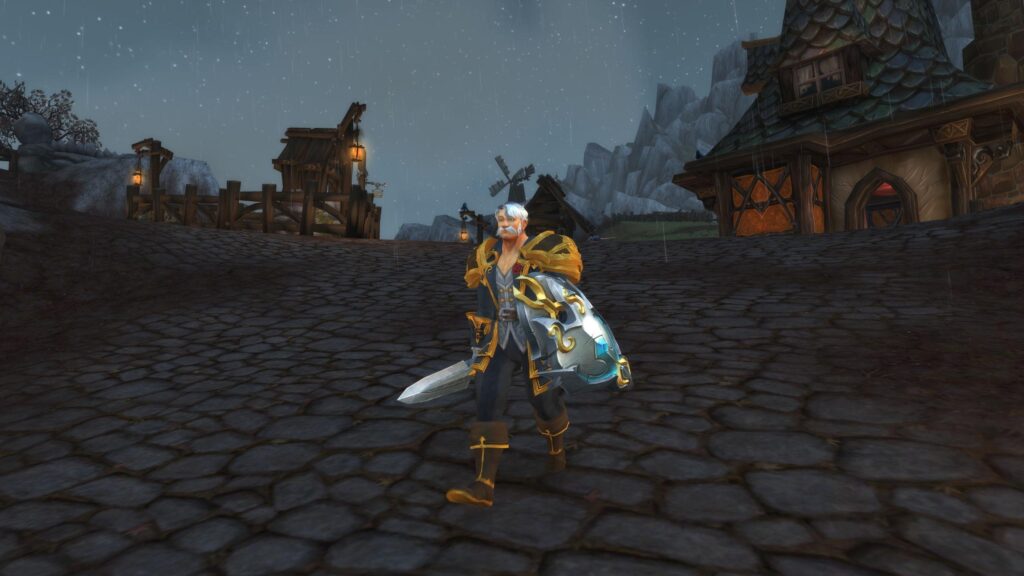
Although health level management might seem straightforward, it’s an important aspect of raid tanking that can mean the difference between success and failure in high-stakes encounters. Actively mitigate damage by using short cooldown defensive abilities, guaranteeing you reduce incoming damage strategically. Constantly monitor your health levels to anticipate when you’ll need mitigation or healing. Understand boss mechanics to predict high-damage phases, allowing you to prepare accordingly. Manage your resources, such as runes for Death Knights, to maintain your mitigation and healing capabilities. Ideal positioning is vital; it helps you avoid unnecessary damage and guarantees healers have a clear line-of-sight. By honing these skills, you’ll enhance your survivability and lead your raid group to victory.
Healer Coordination Techniques
To master healer coordination in raid tanking, it is crucial to outline clear role assignments and establish a robust communication strategy, ensuring that each healer knows their specific duties. Assign one healer to focus on tank healing, typically a Holy Paladin or Discipline Priest. Two to three healers should handle raid-wide healing using HoTs and AoE heals. Designate a healer for emergencies, ready to deploy major cooldowns during damage spikes. Balance your team with diverse healing classes for ideal coverage. Plan cooldowns meticulously, using spreadsheets to avoid overlaps, and time them with incoming damage phases. Position healers strategically, keeping them safely out of melee range but close enough to support each other. Utilize voice communication for real-time adaptability and enhanced synergy.
Effective Communication and Leadership
In the domain of raid tanking, effective communication and leadership are essential for a successful run; providing clear instructions guarantees that everyone is on the same page and reduces the risk of chaos during intense battles. Use voice chat during critical moments to relay concise directions swiftly, ensuring that role assignments are clear and checkpoints are established. This approach helps maintain order, as everyone understands their responsibilities, from tanking and healing to crowd control.
As a leader, managing raid dynamics involves recognizing each player’s strengths and weaknesses, developing strategies tailored to the team composition, and understanding boss mechanics thoroughly. Control boss positioning to maximize damage output and survivability, and coordinate defensive cooldowns with healers. Communicate efficiently with co-tanks for seamless swaps, and work with DPS to manage threat levels. Encourage feedback and conduct post-raid analysis to refine strategies and enhance team performance for future encounters.
Advanced Tanking Techniques
Mastering boss positioning is essential to minimizing raid damage, requiring you to consistently orient the boss away from your group to prevent harmful frontal attacks. Efficient add control is equally vital, as it demands you to manage and position additional enemies effectively, ensuring they don’t overwhelm your team or disrupt the fight. By honing these techniques, you’ll maintain order and control in chaotic encounters, giving your raid the best chance for success.
Efficient Add Control
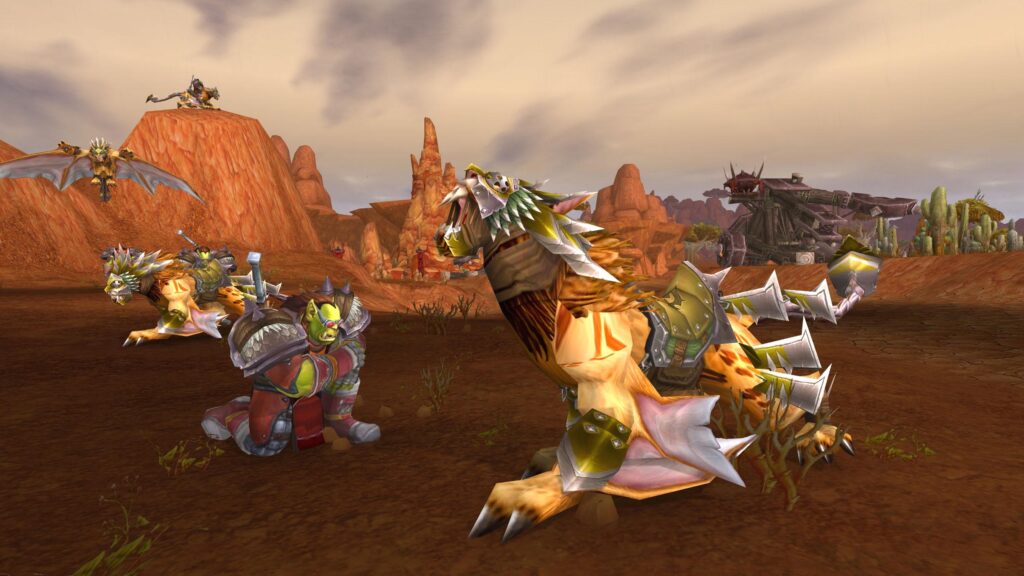
How do you effectively manage adds during a raid encounter? Understanding the encounter mechanics is essential, as knowing where and when adds spawn allows you to anticipate and prepare. Quickly taunt adds to prevent healers from gaining aggro, and use ground-based threat abilities for efficient pickup. Practice and experience help refine your strategy, while communication with healers keeps aggro shifts manageable. Use stuns, interrupts, and silences to control adds and protect your group.
| Technique | Purpose |
|---|---|
| Ground-Based Abilities | Efficient add pickup |
| Taunting | Redirecting aggro from healers |
| Stuns and Crowd Control | Managing add movement and damage output |
| Communication with Healers | Managing unexpected aggro shifts |
| Practice and Experience | Developing effective strategies |
Coordinating with other tanks and adapting to encounter dynamics guarantee your team’s success.
Mastering Boss Positioning
While mastering boss positioning, one of the most essential aspects of advanced tanking is guaranteeing that the boss faces away from the raid group, minimizing the risk of frontal attacks hitting non-tank players. You need to be aware of environmental hazards like fire or AoE spells and position the boss to avoid these threats. Proper positioning is key for threat management, keeping the boss focused on you. Communicate with your raid team to coordinate positioning effectively. For melee players, guarantee they’re behind the boss to avoid parry-haste mechanics, while ranged players should maintain a safe distance. Use boss mods to anticipate mechanics, and stay adaptable to unexpected changes. Practice and experience will refine your positioning skills in complex encounters.
Raid-Specific Strategies
When tackling raid-specific strategies in World of Warcraft, understanding the nuances of positioning, threat management, team leadership, and add control is essential for any tank. You should position the boss to face away from the raid, minimizing harmful frontal cone attacks. Keep the boss stationary for consistent DPS output, and stay near healers while avoiding line-of-sight blockers. Master aggro control to prevent DPS players from pulling threat, using taunts and AoE threat abilities effectively. Communicate clearly with your team about tank swaps and movement to manage the fight’s pace smoothly.
For add control, assign roles for secondary tanking and coordinate with DPS to prevent premature aggro pulling. Understanding and utilizing these strategies will enhance raid execution and guarantee a smoother experience. Here’s a quick reference table to help you remember key strategies:
| Strategy | Key Action | Outcome |
|---|---|---|
| Positioning | Face boss away | Minimize raid damage |
| Threat Management | Use AoE threat abilities | Control multi-mob aggro |
| Team Leadership | Communicate tank swaps | Maintain fight pace |
| Add Control | Assign secondary tank | Efficient add management |
Health and Cooldown Management
Effectively managing your health and cooldowns is vital for tanking success in World of Warcraft raids, ensuring you’re prepared for both predictable and unexpected challenges. Prioritize stamina to boost your health pool, reducing the risk of being one-shot by powerful mechanics. Utilize health potions and trinkets strategically to buy time when healers are unable to assist. Self-healing abilities are important when healers are incapacitated, and focusing on the versatility stat enhances damage reduction and healing received. Defensive cooldowns should be employed proactively before damage spikes, and it’s essential to track these using add-ons like Method Raid Tools. Avoid stacking cooldowns unnecessarily, and coordinate closely with healers for best survival. Use active mitigation intelligently, integrating it into your rotation and activating it as your health drops to dangerous levels. Prepare for emergencies by understanding encounter mechanics and communicating with your team to adapt strategies swiftly.
Positioning and Movement
Positioning and movement are critical elements of tanking in World of Warcraft raids, as they directly impact the safety and efficiency of both you and your raid team. Begin with boss orientation; always face the boss away from the raid to prevent frontal attacks from harming melee DPS. Keep the boss stationary when possible, minimizing movement to maintain high DPS and healer efficiency. Stay near healers but avoid line-of-sight blockers, ensuring consistent healing. Use environmental advantages by understanding the encounter in advance, managing raid space so DPS have room to operate.
When it comes to movement, avoid obstacles that block healing and use terrain to sidestep mechanics like cleaves. Control the boss’s movement and stay adaptable, adjusting positioning based on specific encounter mechanics. Here’s a quick reference table:
| Key Element | Strategy |
|---|---|
| Boss Orientation | Face away from raid |
| Stationary Positioning | Minimize movement |
| Healer Proximity | Stay near, avoid line-of-sight issues |
Add and Debuff Control
Having established a strong foundation in positioning and movement, it’s time to focus on mastering add and debuff control to further guarantee your raid team’s success. Start by identifying adds during encounters; recognizing these spawns allows you to prioritize control using AoE threat abilities for multiple enemies. Assign tasks to specific players for managing adds, ensuring control is established before DPS players release AoE damage. Utilize macros or add-ons to track and manage adds efficiently.
In terms of debuff control, maintain awareness of debuffs applied to tanks and their effects. Coordinate with co-tanks for debuffs requiring swaps, timing your taunts carefully. Use voice chat or macros to communicate debuff status and tank swaps, allowing co-tanks to stabilize threat before re-engaging. Be flexible with roles, adapting based on debuff needs. Pre-encounter planning and understanding encounter mechanics enable strategic add and debuff management, ensuring team coordination and success.
Frequently Asked Questions
How Do I Manage My Personal Cooldowns in Unexpected Situations?
To manage personal cooldowns in unexpected situations, anticipate damage spikes by understanding fight mechanics. Use defensive cooldowns proactively, coordinating with healers for external help. Avoid overlapping multiple cooldowns unless necessary, and maintain awareness of encounter mechanics. Keybind your cooldowns for quick access, and use add-ons to track them. Communicate with your team about cooldown plans, and verify your gear supports maximum cooldown efficiency to improve survivability and effectiveness.
What Are Some Tips for Maintaining Focus During Long Raid Encounters?
How do you maintain focus during those marathon raid sessions? Preparation is essential; understand the mechanics and strategies beforehand. Use add-ons like Method Raid Tools to track everything from cooldowns to key abilities. Consistent practice builds muscle memory, making rotations second nature. Stay calm, even during wipes—this helps maintain focus and team morale. Communication with your team guarantees everyone’s on the same page, reducing surprises and enhancing coordination.
How Can I Improve My Reaction Time for Emergency Situations?
To improve your reaction time in emergency situations, practice regularly to build familiarity with raid mechanics and use boss mod alerts for timely warnings. Focus on mastering defensive cooldown usage to enhance survivability. Coordinate closely with your team, ensuring smooth changes during emergencies. Analyze past performances to identify areas for improvement, and engage in strategic planning to anticipate common emergencies, allowing for quicker, more effective responses when unexpected events occur.
What Gear Prioritization Tips Can Help Boost Tanking Performance?
To boost tanking performance, prioritize gear with stats that enhance survivability and threat generation, like stamina, armor, and strength. Confirm your gear’s item level is high for maximum effectiveness. Utilize set bonuses for added benefits, and optimize gems and enchants to match your primary stats. Keep alternative gear sets ready for different encounters, focusing on burst damage, melee defense, magic resistance, mobility, and debuff management to adapt effectively.
Are There Any Strategies for Managing Tanking Stress and Pressure?
To manage tanking stress, you should focus on preparation and communication. Understand boss mechanics thoroughly to reduce uncertainty, and communicate effectively with your team to manage expectations. Use addons to automate tasks, reducing your mental load during raids. Gradually increase difficulty levels to build confidence. Engage with a supportive team to alleviate pressure, and remember that mistakes are part of learning, helping you build resilience for future challenges.
Conclusion
As a tank, your role is essential in guiding your raid to success. By mastering aggro control, survival tactics, and effective communication, you guarantee the group’s safety and progress. Have you considered how your positioning and cooldown management can make or break a raid? With advanced techniques and raid-specific strategies, you can lead confidently, managing adds and debuffs with precision. Embrace your responsibilities, and your team will rely on your leadership to conquer any challenge.